 0330 123 4609
Menu
Discover which phones still offer microSD slots if you need extra storage without paying flagship prices.

Written by Sneha Kashyap, Content and PR Executive | Conscious Consumption and Tech Trends
Last updated on 11 December 2025
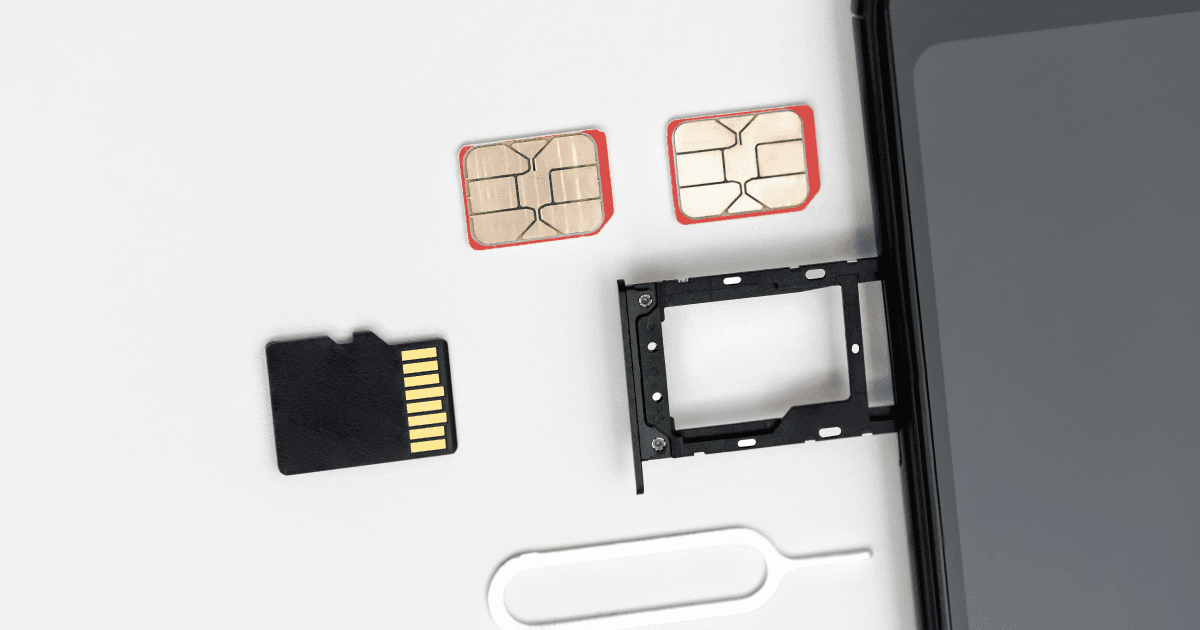
Running out of storage is one of the most frustrating problems smartphone users face. Whether you’re capturing travel videos, downloading apps, or storing offline music and games, nothing ruins the moment quite like the dreaded “Storage Almost Full” alert.
If you're shopping for a new phone in 2025 and want peace of mind, choosing a phone with expandable storage is one of the smartest decisions you can make. A lot of manufacturers have removed the microSD card slot, but there are still excellent models available that support expandable memory - without forcing you to pay premium prices for high internal storage options.
In this guide, we’ve covered the best phones with expandable storage in 2025 to help you find the right device for your needs and budget.
Moto G Stylus 5G
Galaxy A35 5G
Sony Xperia 1 VI
CMF Phone 2 Pro
OnePlus Nord CE 5
This phone already comes with either 128GB or 256GB of internal storage with the option to expand up to 2TB with a microSD card.
The card slot is designed for easy installation and works seamlessly with the phone’s interface, letting users quickly move or access files. While high-capacity cards are supported, sticking with reliable, well-known brands is recommended to ensure consistent performance.
If you’re looking for a phone that can handle large media libraries or frequent content downloads, the Moto G Stylus 5G (2025) offers one of the most generous storage expansion options in its segment, complementing its internal storage and making it ideal for users who want flexibility without investing in cloud solutions.
Another great budget phone that offers expandable storage with a microSD card slot which supports up to 1TB of storage. That’s a solid amount of extra space, especially for a mid-range 5G phone.
One thing to note: its SIM tray is hybrid. Depending on the variant, you might use the second slot for either a second SIM or a microSD card. This means you’ll have to choose between dual-SIM functionality or expanding storage.
Overall, this makes the Galaxy A35 5G a great pick if you want a phone with large built-in storage (128 GB or 256 GB) plus the flexibility to add a ton more for media, documents, or offline content - as long as you’re okay sacrificing the second SIM slot if you go big on microSD.
This is one of the few true flagship phones that still includes a microSD card slot, giving users room to expand beyond its generous 256 GB or 512 GB of internal storage.
Because the slot is shared with the SIM tray, there’s a trade-off: depending on your phone’s configuration, you might use the space for a second SIM or for a memory card. This makes the device especially appealing for those who prioritise media storage - think high-res video, photos, or large audio libraries - without sacrificing too much on onboard memory.
On the flip side, users have reported that the SD-card interface is relatively slow in actual use. That means while it's great for storing media, very heavy or performance-sensitive tasks (like using the card for running apps or intensive file transfers) may not be ideal.
Another great budget phone that includes a microSD card slot supporting up to 2TB of expandable storage.
While the offering seems generous considering it already has 128/256 GB of internal storage, some user reports suggest that the card slot’s performance can be inconsistent as the speed can vary based on the card used.
The bottom line is that the CMF Phone 2 still offers serious value when it comes to expandable storage. As long as you’re mindful of the SD card you pick, this is one of the few phones in its class that delivers on its promise.
This model also comes with a hybrid microSDXC expansion, so you’ll need to choose between using a second SIM or inserting a microSD card. That makes the CE 5 quite versatile for users who want to offload media without relying entirely on internal storage. However, because it's a hybrid SIM slot, you’ll have to decide whether expandable storage or dual-SIM is more important to you.
If you want a mid-range 5G phone with expandable storage, the Nord CE 5 is one of the more flexible options This device offers 5110mAh power, which gives you even more reason to put that expandable storage to good use!
Apple has always taken a different approach to device storage. Rather than offering traditional expandable storage through an SD card slot, the company encourages users to rely on iCloud, with storage plans starting at 50GB for £0.99 per month.
This approach gives you the flexibility to choose an iPhone with less built-in storage and avoid paying a premium for higher-capacity models. Instead of opting for a 1TB device, you can store much of your data in the cloud, which can significantly reduce the upfront cost of a new iPhone and make it easier to choose a more budget-friendly option.
By contrast, traditional expandable storage is limited by the physical capacity of a microSD card or similar device. With that in mind, how does iCloud actually compare? What are the pros and cons of cloud-based storage versus traditional, hardware-based options?
👍 Accessible from any device with internet connection.
👍 Protects your data with the use of end-to-end encryption.
👍 Can help lower the cost of how much you initially spend on your mobile phone.
👎 Dependence on the Apple ecosystem.
👎 Not compatible with all file types.
👎 If you delete something from one device, it will disappear from all your other devices when the next sync occurs.
👎 Monthly payment plan depending on your cloud storage package.
👍 Doesn’t require an internet connection.
👍 There are no subscription fees required.
👍 Allows you to extend your existing storage and store larger applications e.g. files, games etc.
👎 Limited to the amount of space that can be physically stored on microSD.
👎 Only accessible from the device that the microSD is physically inserted into.
👎 It’s possible for someone to access your data if they have physical access to the SD card.
Ultimately, the best option for you depends on your individual needs and preferences. If you’re looking for a lot of storage space and want to be able to access your data from any device, then iCloud may be a good option for you. However, if you are after an option that doesn’t require you to commit to monthly payments or you need to access your data offline, then traditional expandable storage may be the better choice. But if you are a diehard iPhone user, iCloud is your only expandable storage solution.
Expandable storage is slowly disappearing from smartphones, especially high-end devices. Samsung removed the microSD slot from its flagship Galaxy S line after 2020, and neither Google Pixel nor iPhone models have ever supported it.
Manufacturers often cite reasons such as reduced consumer demand, design requirements on thinner phones, microSD cards being slower than internal storage, etc. While these factors certainly seem plausible, you can’t help but wonder if it’s partly motivated by pushing consumers toward higher-storage phone models (at higher prices) and cloud storage subscriptions.
At the moment, the demand for phones with SD cards is still strong, so they’re not going away completely. In fact, they are some of the best budget phones on the market right now.
If you want full control over your storage without recurring fees, choosing a phone with expandable storage is still the best and most affordable option. Whether you capture lots of photos, record 4K videos, or download large games, microSD support ensures you’ll never run out of space.
Although expandable memory is becoming rare, especially in premium models, there are still some excellent options available in 2025 that offer great value, strong performance, and the flexibility of microSD card storage.
Just remember to trade in your old phone once you’ve upgraded to keep the circular economy going.
6G could change your phone faster than you think, but the biggest shift may not be speed.
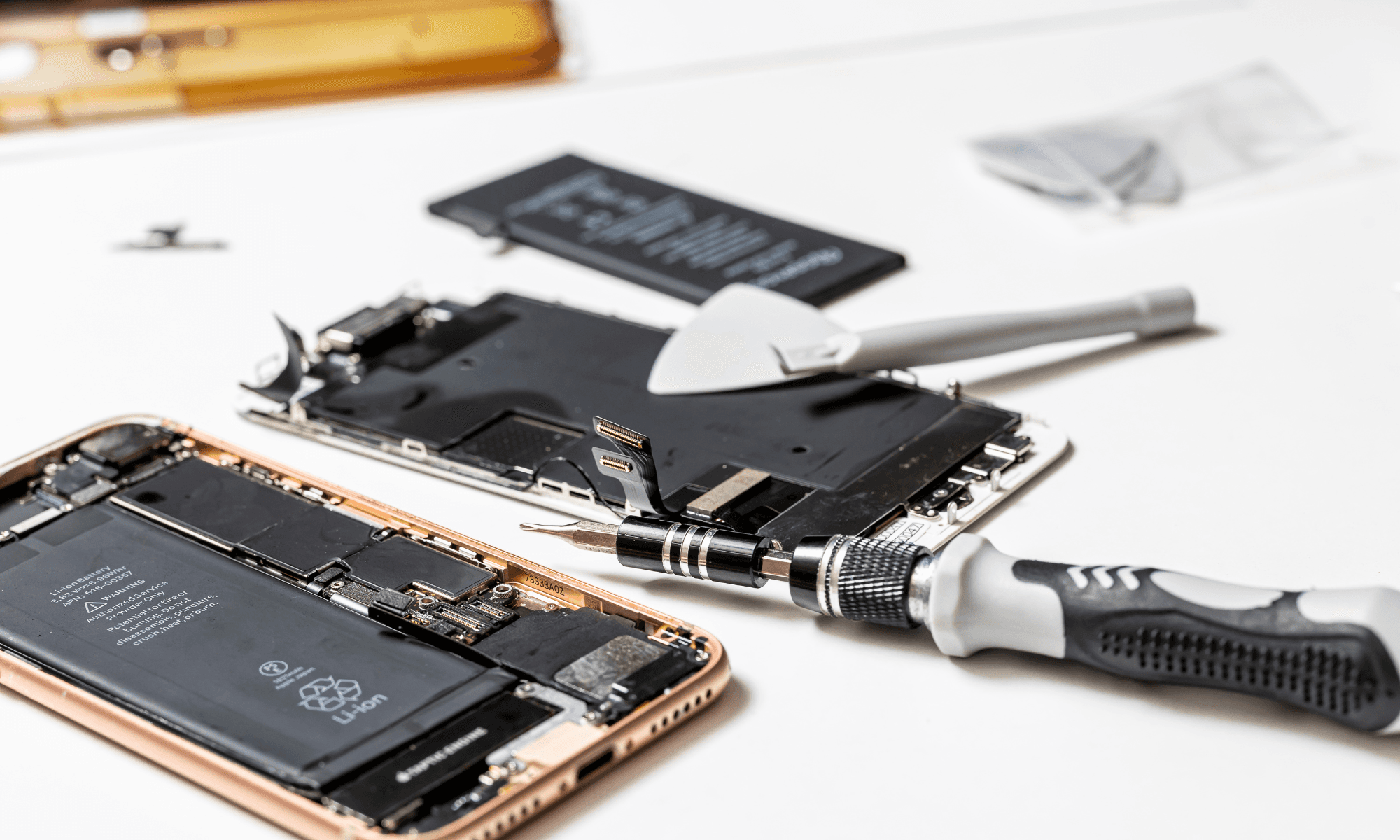
The EU’s 2027 battery rule sounds simple, but hidden details could reshape smartphones and how long they last.

That quick glance at your phone while driving could cost more than you think… but the real consequences might surprise you.


