0330 123 4609
Menu
The iPhone 11 and the Samsung Galaxy S10e both are lower cost alternatives to their flagship siblings: but which one is better?

Written by Sneha Kashyap, Content and PR Executive | Conscious Consumption and Tech Trends
Last updated on 12 December 2025
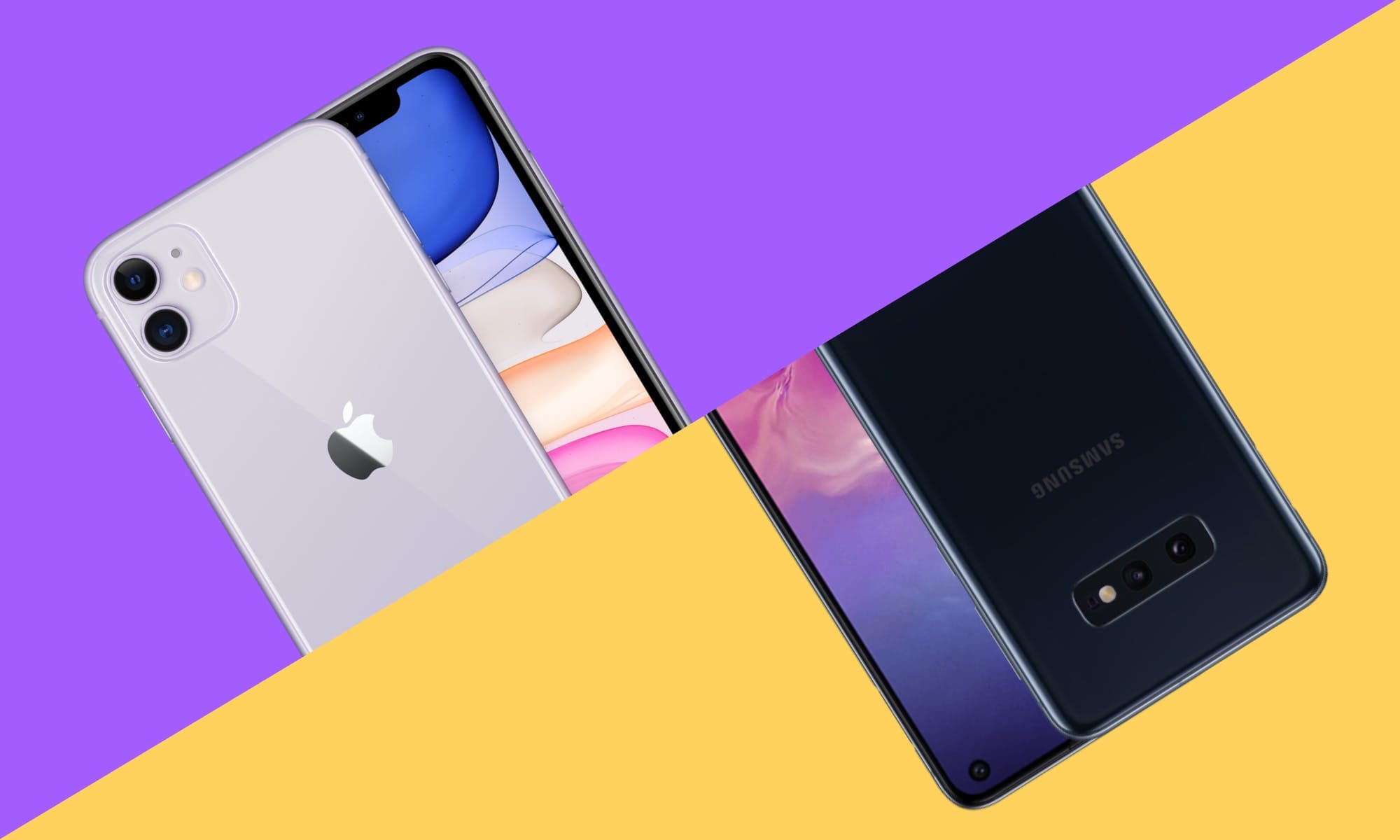
Apple’s iPhone 11 has hit the market, delivering a sleek design and a host of impressive features - all at a more affordable price compared to its high-end siblings, the iPhone 11 Pro and Pro Max. On the other side, Samsung released the Galaxy S10e earlier this year as a budget-friendly alternative to the premium Galaxy S10 and S10 Plus. Both phones aim to strike a balance between performance and price. So, which one comes out on top?
In this comparison, we’ll break down the key similarities and differences between the two phones, and wrap up with our verdict on which one offers the better overall value.
iPhone 11: £729
iPhone 11 Pro: £1,049
iPhone 11 Pro Max: £1,149
Samsung Galaxy S10e: £669
Samsung Galaxy 10: £799
Samsung Galaxy S10 Plus: £999
The iPhone 11 and Galaxy S10e are fairly close in price, with just a £60 difference between them. While that might sway some buyers toward the S10e, it’s worth digging a little deeper before making a decision. In the world of smartphones where flagship models can cost over £1,000 and entry-level phones can go for under £200, a £60 gap isn’t as significant as it might seem.
| Feature | iPhone 11 | Samsung Galaxy S10e |
|---|---|---|
| Price | £729 | £669 |
| Colours | Purple, white, yellow, green, black and red | White, black, green, blue and yellow |
| Headphone jack | None | 3.5mm headphone jack |
| Processors | A13 Bionic | Snapdragon 855 chipset |
| Display | 6.1-inch Liquid Retina display | 5.8-inch AMOLED display |
| Dimensions | 150.9mm x 75.7mm x 8.3mm | 142mm x 69.9mm x 7.9mm |
| Cameras | 12MP wide camera with a 26mm lens and a 12MP ultra-wide camera | Dual aperture 12MP main camera with OIS and a 16MP ultra-wide lens |
| Operating system | iOS | Android |
The Galaxy S10e features a traditional headphone jack, while the iPhone 11 does not. But how big of a deal is this? If you’re already using an iPhone 7 or newer, chances are you’ve adapted, either by using Lightning-compatible earbuds or switching to Bluetooth headphones. In that case, the missing headphone jack on the iPhone 11 likely won’t be an issue.
Both Apple and Samsung have been steadily moving away from the headphone jack in favour of USB-C and wireless audio, so choosing a phone without a jack may simply be aligning with the direction the industry is heading.
That said, if your current headphones use a standard 3.5mm jack, and you’re not keen on adapters or new accessories, the Galaxy S10e might be the better fit. The headphone jack remains a universal and convenient option, especially if you want to listen to music while charging your device. With the iPhone 11, doing both at once requires either a wireless charger or a separate dongle. And keep in mind, Apple’s cheapest wireless charger costs around £35.
In short, think about your current setup. If you’re already living a wireless life, the iPhone 11 is a seamless step forward. But if you value simplicity and compatibility, the S10e has you covered.
Image Credits: Android Central
Winner: Samsung
The iPhone 11 is powered by Apple’s A13 Bionic chip, while the Galaxy S10e runs on Qualcomm’s Snapdragon 855. At launch, Apple touted the A13 as the fastest smartphone chip in the world, outperforming not only the Snapdragon 855 but also rival processors like Huawei’s Kirin 980. It’s also 40% more power-efficient than the previous A12 chip, contributing to significantly better battery life, up to five hours more across the iPhone 11 range.
If battery life and long-term performance are priorities for you, the iPhone 11 has a clear edge. The A13 Bionic offers lightning-fast speeds, smooth multitasking, and impressive energy efficiency, making it Apple’s most powerful chip to date.
That said, the Snapdragon 855 is no slouch. It was one of the top-performing chips of its time and still holds up well in real-world use. If you choose the Galaxy S10e, you’re still getting flagship-level performance, just not quite on the same level of optimisation as Apple’s tightly integrated hardware and software.
If the power efficiency and battery life of your device is important to you, then you might prefer to get the iPhone 11 over the Galaxy S10e. The A13 Bionic is Apple’s best processor yet, offering high speeds and an overall better performance. Having said this, the Snapdragon 855 chip is still a leading chipset in the smartphone industry, so it should not be too much of a jump if you do decide to opt for the Galaxy S10e.
Credits: MacWorld
Winner: Apple
The iPhone 11 features a 6.1-inch Liquid Retina LCD display, while the Galaxy S10e comes with a slightly smaller 5.8-inch AMOLED screen. While the iPhone offers a bit more screen real estate, the S10e arguably wins in terms of display quality.
Samsung’s AMOLED technology delivers richer colours, deeper blacks, and sharper contrast compared to the iPhone 11’s LCD. The S10e’s display is also brighter and more detailed, making it a standout for media consumption, gaming, or just everyday browsing. Plus, with Vivid Mode, you can fine-tune the colour temperature to your liking - warmer or cooler, depending on your preferences.
If screen quality is a top priority for you, the Galaxy S10e takes the lead here.
Winner: Samsung
With more people using their smartphones as their primary camera, photo and video quality has become a top priority. In fact, the surge in smartphone sales over the past decade has coincided with a sharp decline in standalone camera purchases. It’s easy to see why: your phone is always within reach, and snapping a quick photo has never been more convenient.
So, if you regularly take photos or videos, the camera setup should be a key factor in your decision.
Both the iPhone 11 and Galaxy S10e feature 12MP main rear cameras, but the S10e has a few advantages. Its camera includes a dual aperture system, which automatically adjusts to lighting conditions for better low-light performance. It also offers optical image stabilisation, helping reduce blur in both photos and videos.
On top of that, both devices come with ultra-wide rear cameras, but Samsung pulls ahead here, too. The Galaxy S10e's ultra-wide lens is 16MP, compared to the iPhone 11’s 12MP, giving you more detail in wide-angle shots.
Overall, while the iPhone 11 delivers solid photo quality, especially with Apple’s image processing, the Galaxy S10e arguably offers a more versatile and technically impressive camera setup.
Winner: Samsung
The iPhone 11 runs on iOS, while the Galaxy S10e uses Android. Both operating systems are powerful, user-friendly, and offer similar core functionality, but many tech enthusiasts have strong opinions about which one is better.
One key difference is software updates. Apple is known for delivering regular updates to all supported devices, often for years after release. For example, iOS 13 brought new features and security improvements even to the iPhone 6S, which launched in 2015. In contrast, Android updates are typically slower to roll out, especially on non-Google devices like Samsung phones. Some older models may not receive major updates at all.
That said, Android has its own strengths, particularly Google Assistant, its built-in AI-powered virtual assistant. Google Assistant outperforms Apple’s Siri in many areas, including internet searches, smart home integration, and productivity tasks like setting reminders or managing your calendar. Siri, while functional, remains more limited in comparison.
Ultimately, the best operating system for you will likely depend on your existing tech ecosystem. If you already own other Apple devices like an iPad, Mac, or Apple Watch, sticking with an iPhone makes sense. Apple’s ecosystem is tightly integrated, offering a seamless experience across devices that’s hard to beat.
On the flip side, if you’re already invested in Google’s ecosystem or simply prefer the flexibility and customisation that Android offers, the Galaxy S10e could be the better fit.
While both phones offer excellent value, the Galaxy S10e comes out slightly ahead in this comparison. With its vibrant AMOLED display, versatile camera system, and the power of Google Assistant, it packs a lot of premium features into a compact, affordable package.
That said, the iPhone 11 is far from outmatched. It boasts Apple’s powerful A13 Bionic chip, strong battery life, and seamless integration with the broader Apple ecosystem. If you already own other Apple devices, value long-term software updates, or want a phone that holds its resale value, the iPhone 11 remains a smart investment.
Your final decision should come down to your personal preferences and existing tech setup. If you want customisation, a headphone jack, and superior AI assistance, go with the Galaxy S10e. If you prefer a larger screen, unmatched performance, and the simplicity of iOS, the iPhone 11 is your winner.
And if you're planning to upgrade, don’t forget to sell your current phone through Compare and Recycle to get the best value toward your next device.
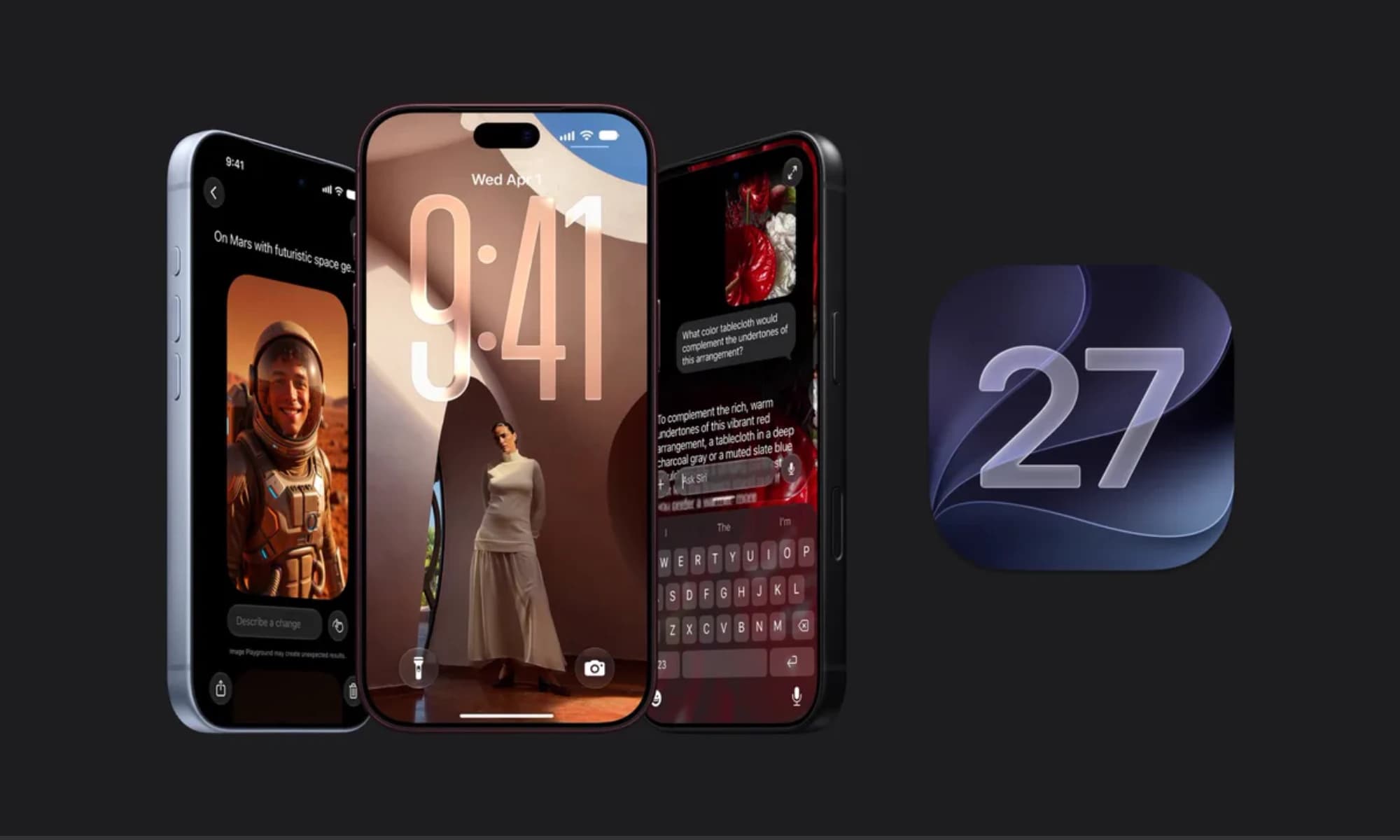
iOS 27 is here with a host of hidden tools, smarter AI, and useful upgrades. Could it change how you use your iPhone?
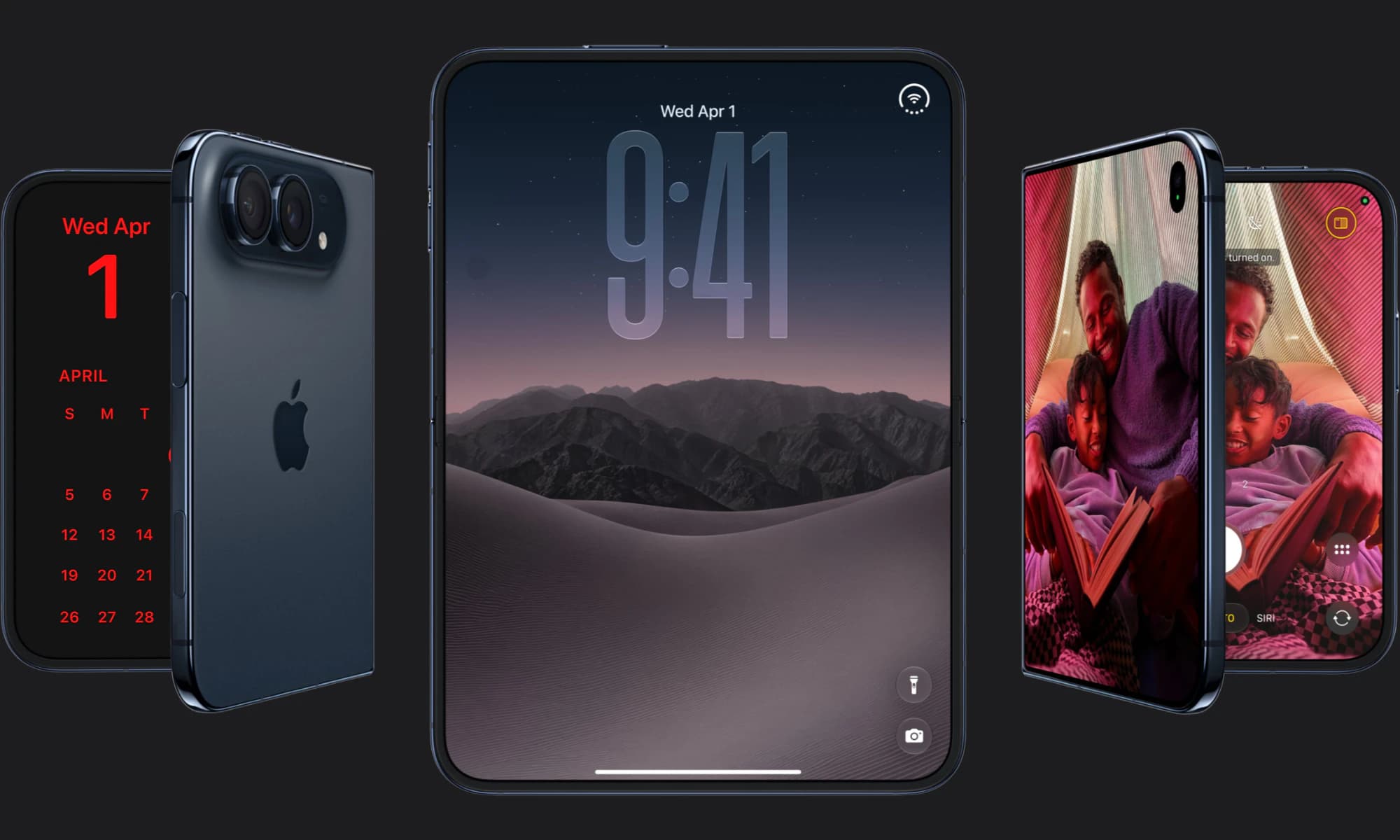
Apple has finally joined the foldable party after seven years, but was it right to wait?
iOS 27 is here! Check out key features and whether your iPhone is compatible.